Barry Lynden Pringle
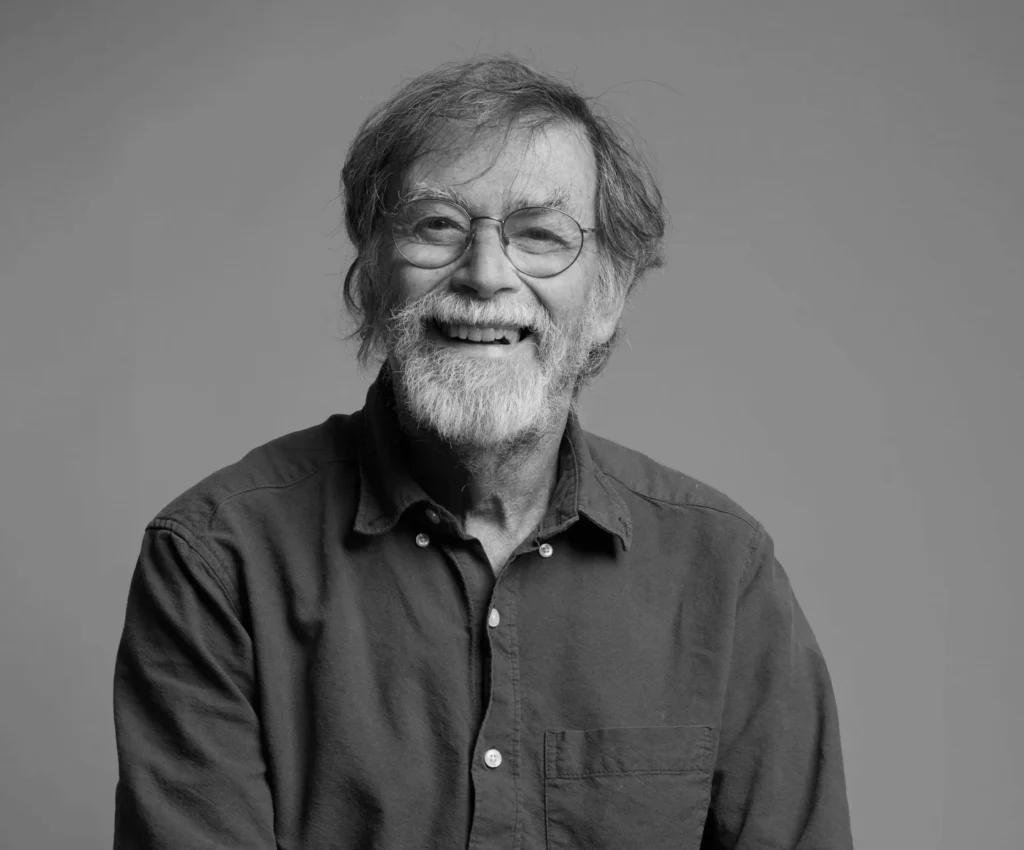
“"With uncompromising simplicity and a unique eye for light, form, and atmosphere, Barry Pringle has, over the decades, developed a body of photographic work that moves effortlessly between documentary, landscape, still life, and fine art photography—always with a deep respect for the viewer’s own interpretation."”
- The Royal Library, Copenhagen
- The Museum of Photographic Art, Brandts, Odense
- The Museum of Decorative Arts, Copenhagen
- Museum Ludwig, Cologne
- National Library, Paris
- Musée d’Ixelles, Brussels
- Steltman Gallery, Amsterdam
- Fritz Gruber Collection, Cologne
- Sterckshof Museum, Antwerp
- Leiden Print Room, Leiden
- State Film Archive, Hamburg
- Library of Congress, New York
- Publications (selection)
- The Complete Book of Photographers, Macmillan & Co.
- 20th Century Photography, Taschen
- Camera (1977, 1978), Switzerland
- B&W Magazine, USA
- Contemporary Photography, Germany
- Work Grant, Danish Arts Foundation (2009)
Biography
Barry Pringle belongs to an increasingly rare group of photographers who move effortlessly between many different genres while managing to imbue each one with a distinct personal touch. For more than three decades, he has explored the expressive possibilities of photography in the fields of documentary, nude, landscape, and still life photography, all with remarkable visual and thematic consistency.
“I always work very simply and quickly,” says Pringle. “I hope to find something interesting in the ordinary. I’ve found that the simplest images are often the most profound.”
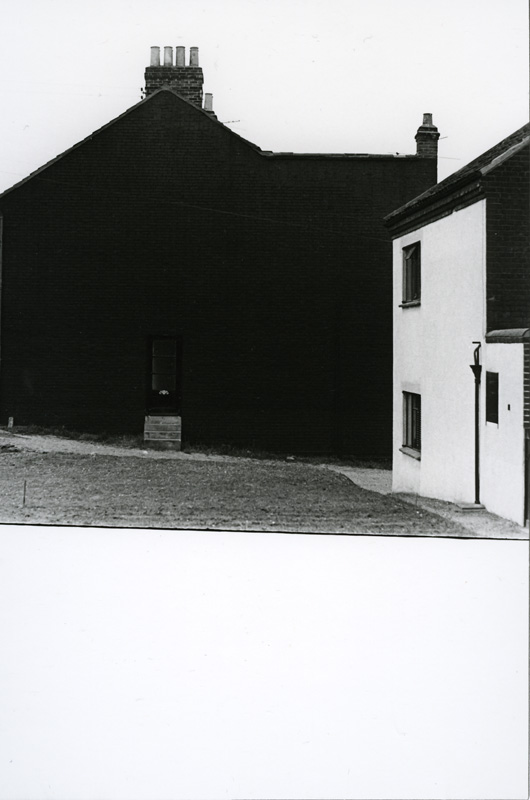
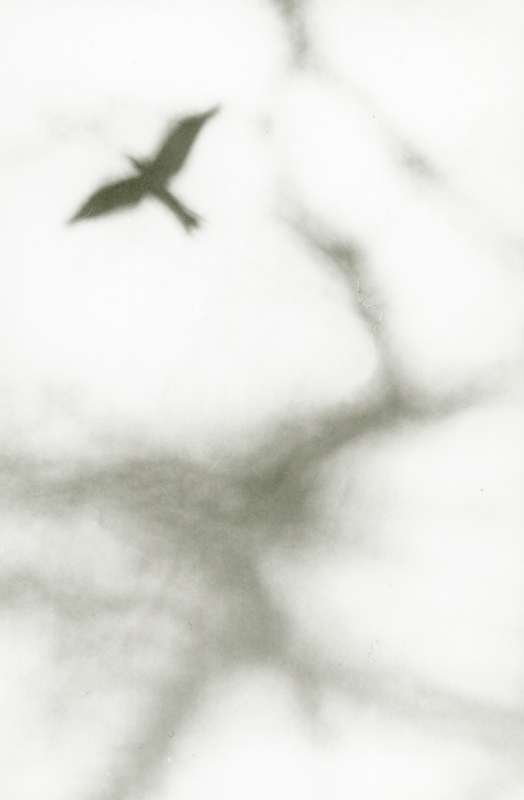
Simplicity, stillness, and a sense of the mysterious characterize everything Pringle creates—whether he’s working in commercial or fine art photography. His images are characterized by strong compositional discipline, meticulous attention to light, texture, and atmosphere, as well as an underlying unease hidden beneath the immediate surface of his subjects.
Pringle himself says that he does not consciously try to create this effect, but acknowledges that his aesthetic is partly inspired by Eugène Atget’s often surrealistic photographs. This shift from the seemingly normal is particularly evident in his documentary images. A portrait of a Romani child with an adult, for example, is filled with ambiguous details—the strange reflection in the clothing and glasses, the uncertainty surrounding the adult’s gender, and the peculiar balance between formality and relaxation in their body language and facial expressions. A similar sense of mystery arises in his portrait of two mannequins, where their placement in the frame and the precise use of light lend them an unsettling lifelike quality. The photograph of a small, elderly man who appears squeezed inside his front door carries an almost Kafkaesque atmosphere.
Although Pringle seeks to imbue his photographs with an atmosphere of contemplation and a sense that something unexpected is about to happen, he does not wish to dictate the viewer’s interpretation. He prefers to let the images speak for themselves.
“I don’t think there’s a need to offer concrete explanations for my work. When you look at a photograph, it can evoke emotions that are completely different from those the photographer himself had in mind. The most important thing is that the photograph possesses a quality that engages the viewer on a deep level.”
A recurring theme in Pringle’s work is sensuality, which is most clearly expressed in his extensive series of photographs. Many of the images celebrate the erotic qualities of the human body, while others appear more as sober and contemplative studies of the body’s imperfections. Several of his nude photographs also function as powerful graphic compositions that border on the abstract. Like the rest of his oeuvre, they defy simple categorization.
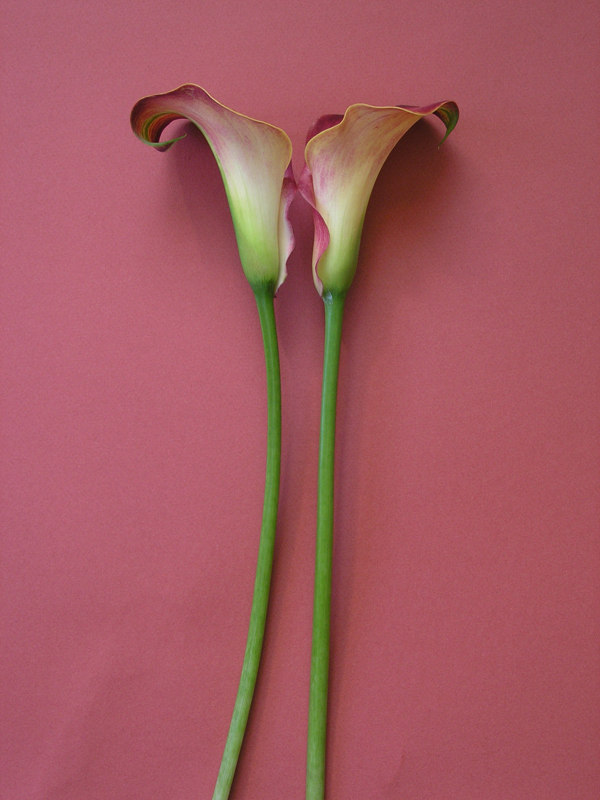
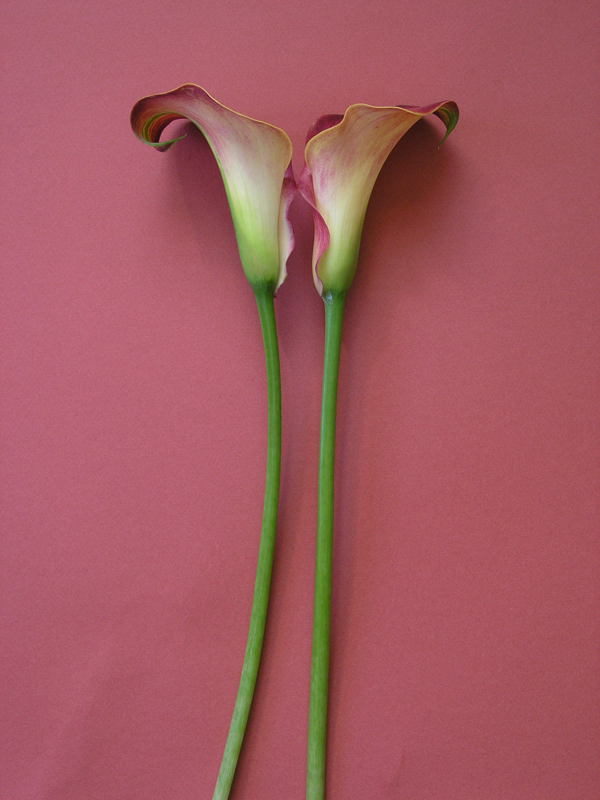
Pringle’s commercial food photographs also possess a distinct sensuality. Through the soft, natural light, celery stalks, eggs, and other everyday objects take on an almost tactile presence that highlights their shapes and textures. The same quality is found in his still lifes and—perhaps more surprisingly—in several of his interior photographs, where he uses a keen eye to capture the suggestive lines and shapes hidden in entirely ordinary objects such as plumbing and electrical fixtures.
Available Works (7)